Understanding Different Types of Therapy: A Complete Guide to Finding Your Best Fit
Explore the most effective therapy approaches including CBT, DBT, and EMDR. Learn which therapeutic method might work best for your specific mental health needs.

TL;DR
Explore the most effective therapy approaches including CBT, DBT, and EMDR. Learn which therapeutic method might work best for your specific mental health needs.
Choosing the right type of therapy can feel overwhelming when you're already struggling with mental health challenges. With so many therapeutic approaches available, how do you know which one is right for you?
As a licensed clinical psychologist with over a decade of experience, I've seen firsthand how the right therapeutic approach can transform lives. The key is understanding that different therapies work better for different conditions, personalities, and goals.
In this comprehensive guide, I'll walk you through the most effective therapy types, help you understand when each approach is most beneficial, and provide practical advice for finding your best therapeutic fit.
Understanding the Foundation: What Makes Therapy Effective?
Before diving into specific types, it's important to understand what makes any therapy effective:
Therapeutic Alliance: The relationship between you and your therapist is the foundation of healing. Research shows this relationship accounts for 30-50% of therapy outcomes.
Evidence-Based Practice: The most effective therapies are backed by extensive research demonstrating their success for specific conditions.
Personal Fit: What works for others may not work for you, and that's completely normal. Finding the right approach often involves some trial and discovery.
Active Participation: Therapy is collaborative. The more engaged you are in the process, the better your outcomes are likely to be.
Cognitive Behavioral Therapy (CBT)
What It Is
CBT focuses on identifying and changing negative thought patterns and behaviors that contribute to emotional distress. It's based on the idea that our thoughts, feelings, and behaviors are interconnected.
How It Works
- Thought Monitoring: Learning to identify automatic negative thoughts
- Cognitive Restructuring: Challenging and replacing unhelpful thinking patterns
- Behavioral Experiments: Testing negative beliefs through real-world activities
- Homework Assignments: Practicing skills between sessions
Best For
- Anxiety disorders (generalized anxiety, social anxiety, panic disorder)
- Depression (particularly mild to moderate)
- Obsessive-Compulsive Disorder (OCD)
- Phobias
- Eating disorders
- Insomnia
What to Expect
CBT is typically short-term (12-20 sessions) and highly structured. You'll receive specific tools and techniques you can use independently after therapy ends.
Sample CBT Exercise: Thought Record When feeling anxious, write down:
- The situation that triggered anxiety
- Your automatic thoughts
- Emotions and their intensity (1-10)
- Evidence for and against the thought
- A more balanced perspective
Dialectical Behavior Therapy (DBT)
What It Is
Originally developed for borderline personality disorder, DBT combines CBT techniques with mindfulness and distress tolerance skills. It emphasizes accepting difficult emotions while working to change harmful behaviors.
Core Skills Modules
- Mindfulness: Present-moment awareness and acceptance
- Distress Tolerance: Managing crisis situations without making them worse
- Emotion Regulation: Understanding and managing intense emotions
- Interpersonal Effectiveness: Communicating needs and maintaining relationships
Best For
- Borderline Personality Disorder
- Self-harm behaviors
- Suicidal ideation
- Intense emotional reactions
- Relationship difficulties
- Substance abuse (when combined with other treatments)
What to Expect
DBT typically involves both individual therapy and group skills training. Treatment usually lasts 6 months to a year, with weekly sessions and phone coaching available for crisis situations.
Eye Movement Desensitization and Reprocessing (EMDR)
What It Is
EMDR helps process traumatic memories by using bilateral stimulation (typically eye movements) while recalling distressing events. This helps the brain reprocess trauma in a way that reduces its emotional impact.
How It Works
- Preparation: Building coping skills and safety
- Assessment: Identifying target memories and associated beliefs
- Desensitization: Processing memories while following eye movements
- Installation: Strengthening positive beliefs about oneself
- Body Scan: Checking for residual physical tension
- Closure: Returning to calm state
- Reevaluation: Checking progress in subsequent sessions
Best For
- Post-Traumatic Stress Disorder (PTSD)
- Trauma from single incidents (accidents, assaults, natural disasters)
- Complex trauma (childhood abuse, neglect)
- Anxiety and panic attacks related to specific events
- Phobias with traumatic origins
What to Expect
EMDR can produce results relatively quickly compared to traditional talk therapy. Some people experience significant improvement in 6-12 sessions, though complex trauma may require longer treatment.
Acceptance and Commitment Therapy (ACT)
What It Is
ACT helps people accept difficult thoughts and feelings rather than fighting them, while committing to actions aligned with personal values.
Core Principles
- Psychological Flexibility: Adapting behavior based on present circumstances and values
- Mindfulness: Observing thoughts and feelings without judgment
- Values Clarification: Identifying what truly matters to you
- Committed Action: Taking steps toward meaningful goals despite difficult emotions
Best For
- Chronic pain
- Anxiety disorders
- Depression
- Substance abuse
- Work-related stress
- Life transitions
What to Expect
ACT therapists use metaphors, experiential exercises, and mindfulness techniques. The focus is on building a rich, meaningful life rather than eliminating symptoms.
Psychodynamic Therapy
What It Is
Based on psychoanalytic theory, this approach explores how unconscious thoughts and past experiences influence current behavior and relationships.
Key Elements
- Insight Development: Understanding patterns in thoughts, feelings, and relationships
- Transference: Exploring how past relationships affect the therapeutic relationship
- Defense Mechanisms: Identifying ways you protect yourself from difficult emotions
- Childhood Experiences: Connecting past events to current difficulties
Best For
- Relationship difficulties
- Recurring patterns in life and relationships
- Depression (particularly when linked to loss or interpersonal issues)
- Personality disorders
- Identity issues
- Those seeking deep self-understanding
What to Expect
Psychodynamic therapy is typically longer-term (6 months to several years). Sessions focus on exploration and insight rather than specific skill-building.
Humanistic/Person-Centered Therapy
What It Is
This approach emphasizes the client's inherent capacity for growth and self-actualization. The therapist provides unconditional positive regard, empathy, and genuineness.
Core Principles
- Unconditional Positive Regard: Acceptance without judgment
- Empathy: Deep understanding of your experience
- Congruence: Therapist authenticity and genuineness
- Client-Directed: You guide the direction of sessions
Best For
- Self-esteem issues
- Identity exploration
- Life transitions
- Grief and loss
- Those who prefer non-directive approaches
- People who've had negative therapy experiences
What to Expect
Sessions are less structured, with the therapist following your lead. The focus is on self-discovery and personal growth rather than symptom reduction.
Choosing the Right Therapy Type
Consider Your Primary Concerns
For Anxiety and Depression:
- CBT is often the first-line treatment
- ACT for acceptance-based approaches
- Psychodynamic for relationship-related depression
For Trauma:
- EMDR for single-incident trauma
- DBT for complex trauma with emotion dysregulation
- CBT for trauma with specific phobias
For Personality and Relationship Issues:
- DBT for intense emotions and relationship difficulties
- Psychodynamic for insight into patterns
- Humanistic for self-esteem and identity
Consider Your Preferences
Structured vs. Open-Ended:
- CBT and DBT are highly structured
- Psychodynamic and humanistic are more open-ended
Short-term vs. Long-term:
- CBT and EMDR can be shorter-term
- Psychodynamic therapy is typically longer-term
Skill-Building vs. Insight-Oriented:
- CBT and DBT focus on concrete skills
- Psychodynamic and humanistic emphasize understanding
Questions to Ask Potential Therapists
- What therapeutic approaches do you use?
- How do you determine which approach to use with each client?
- What's your experience treating my specific concerns?
- How will we measure progress?
- What can I expect in terms of timeline and frequency?
- What happens if this approach isn't working for me?
Integrative and Eclectic Approaches
Many therapists use integrative or eclectic approaches, combining elements from different therapy types based on your specific needs. This can be particularly effective because:
- Different problems may require different approaches
- Your needs may change over time
- Some people benefit from multiple techniques
For example, a therapist might use:
- CBT techniques for anxiety management
- EMDR for trauma processing
- Mindfulness skills from DBT for emotional regulation
Red Flags: When to Consider Changing Approaches
Sometimes a therapy type or therapist isn't the right fit. Consider making a change if:
- No progress after 2-3 months of consistent work
- You feel judged or misunderstood by your therapist
- The approach doesn't match your learning style or preferences
- Your therapist pushes one approach without considering alternatives
- You don't feel comfortable or safe in sessions
Remember: It's completely normal to try different approaches or therapists until you find the right fit.
Making Therapy More Effective
Regardless of the type you choose:
Before Starting
- Clarify your goals: What do you want to achieve?
- Research your therapist's credentials and approach
- Prepare questions about their methods
- Consider practical factors: location, schedule, cost
During Therapy
- Be honest and open about your experiences
- Complete homework assignments if given
- Communicate if something isn't working
- Practice skills between sessions
- Be patient with the process
Between Sessions
- Reflect on what you've learned
- Apply skills in real-life situations
- Keep a journal if recommended
- Maintain healthy habits (sleep, exercise, nutrition)
The Role of Medication
Sometimes therapy is most effective when combined with medication, particularly for:
- Severe depression or anxiety
- Bipolar disorder
- Schizophrenia or other psychotic disorders
- ADHD
- Severe OCD
Therapy and medication work together by:
- Medication stabilizing brain chemistry
- Therapy providing coping skills and insight
- Combined approach addressing both biological and psychological factors
FAQ: Common Questions About Therapy Types
How do I know if I need therapy?
Consider therapy if you're experiencing:
- Persistent sadness, anxiety, or other difficult emotions
- Difficulty functioning in daily life
- Relationship problems
- Trauma or major life changes
- Substance abuse issues
- Thoughts of self-harm
How long should I try one approach before switching?
Generally, give an approach 6-8 sessions to start seeing some benefits, and 3-4 months to see significant change. However, if you feel uncomfortable or unsafe, switch immediately.
Can I combine different types of therapy?
Yes, many people benefit from combined approaches. Some therapists are trained in multiple modalities, or you might see different specialists for different issues (e.g., individual CBT therapist plus DBT skills group).
What if I can't afford traditional therapy?
Consider:
- Community mental health centers with sliding scale fees
- Online therapy platforms (often more affordable)
- Support groups (many are free)
- Employee Assistance Programs through work
- Graduate school training clinics (supervised students provide low-cost services)
- Self-help books and apps based on therapeutic principles
How do I find a therapist who uses a specific approach?
- Psychology Today directory allows filtering by therapeutic approach
- Professional organization websites (e.g., CBT Association, EMDR International)
- Insurance provider directories often list specialties
- Referrals from your doctor or trusted sources
- University training programs for specialists in training
Cultural Considerations
Different therapy approaches may be more or less compatible with your cultural background:
- Some cultures emphasize family and community over individual therapy
- Religious or spiritual beliefs may influence which approaches feel comfortable
- Communication styles vary across cultures (direct vs. indirect)
- Views on mental health and seeking help differ
Look for therapists who:
- Understand your cultural background
- Are trained in cultural competency
- Respect your values and beliefs
- Adapt their approach to fit your needs
Moving Forward: Your Next Steps
- Identify your primary concerns and goals for therapy
- Research therapists in your area who specialize in relevant approaches
- Schedule consultations with 2-3 potential therapists
- Ask specific questions about their methods and experience
- Trust your instincts about fit and comfort level
- Be patient with the process of finding the right match
Remember that finding the right therapy approach is often a process of discovery. What matters most is that you take the first step toward getting support.
Conclusion: Your Therapy Journey Starts Here
Every person's mental health journey is unique, and there's no one-size-fits-all approach to therapy. The most important thing is to start somewhere and remain open to adjusting your approach as you learn more about what works for you.
Whether you choose CBT for anxiety, EMDR for trauma, DBT for emotional regulation, or another approach entirely, the key is working with a qualified therapist who understands your needs and creates a safe space for healing.
Mental health challenges are real, treatable, and nothing to be ashamed of. Seeking therapy is a sign of strength and self-awareness, not weakness. You deserve support, understanding, and the opportunity to live a fulfilling life.
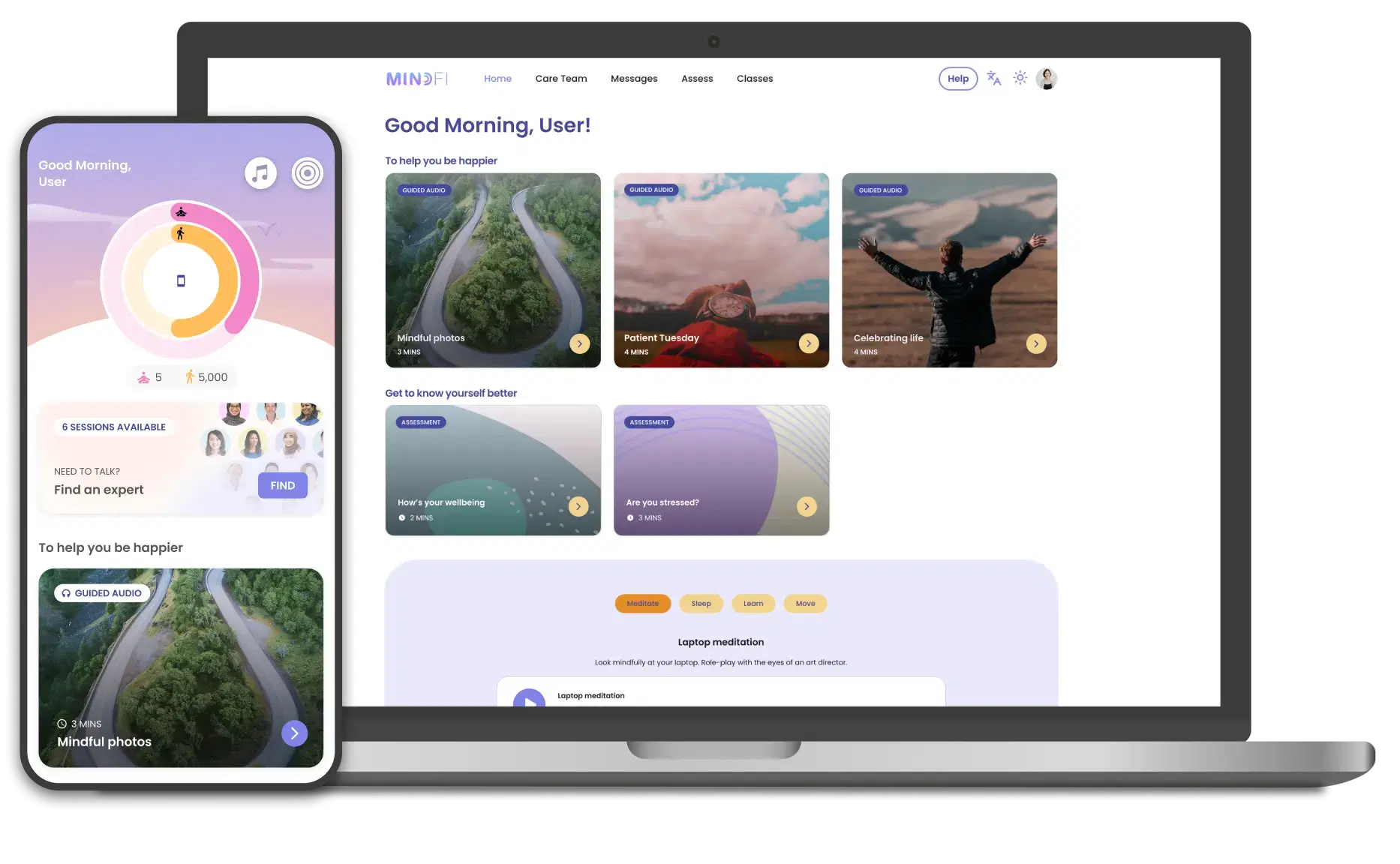
If you're ready to take the next step in your mental health journey, MindFi connects you with licensed therapists who specialize in evidence-based approaches tailored to your specific needs. Our platform makes it easy to find the right therapeutic fit and start your healing journey today.
This article is educational and not a substitute for medical or mental health diagnosis or treatment. If you need personal care guidance, consult a licensed professional.

Licensed Clinical Psychologist with 10+ years of experience specializing in workplace mental health and cognitive behavioral therapy. Dr. Johnson has helped hundreds of clients overcome anxiety, depression, and workplace stress.
Credentials
Specializations
Related Articles

When Stress Becomes the Baseline
The Reality Beneath High Functioning Many of the people I work with do not look unwell. They look capable, productive, responsible, and composed.

Breaking the Silence: A Holistic Approach to Men's Sexual Health and Wellbeing
Have you ever found yourself avoiding a conversation about your body, your confidence, or your performance in the bedroom, hoping the issue would just resolve...

Love Is Not Only Felt, It Is Also Chosen
Love is often described as something spontaneous, an emotion that appears strongly, sustains itself effortlessly, and fades when it no longer “feels right.