
TL;DR
Struggling to say "no"? This article shows how prioritizing others can lead to burnout. Learn to set boundaries, recognize your emotions, and communicate your limits for better well-being and respect.
People may see you as efficient and hard-working, and you may even sometimes stay behind at the office to get work done.
Looking after yourself is an inside job. Doing "all the things" isn't always productive. What about your priorities in life? What are you missing out on because you always do things for others? Is saying "yes" all the time becoming detrimental towards your mental health?

"People Pleasers" find it difficult to say "no" to others because they have problems letting other people down. Maybe you have specific thoughts about yourself, including, "What if I say no, and they stop liking me?" " What if I say no, and they start thinking I am lazy?" "What if I say no and lose my job?"
When asked to do something, notice the anxiety that immediately sparks before saying "yes". Then, notice that feeling of dread that comes afterwards when you realise that, yet again, you're putting your own work/time aside for others when you know you have important things to do yourself.
Once you start noticing what emotions are controlling your actions, you can begin to identify patterns in your behaviour. Ask yourself, "Will I burn out if I continue to say yes?"

Remember, if you don't know your own priorities, you will feel like you are being controlled by other people's wants and needs. It's okay to take a breather and say, "Let me see what I can do. I might not be able to get that done for you today as I already have plenty of things to do on my to-do list, but I'll try my best to get to it when I can."
Setting boundaries is the only way to change people's expectations of you. It's important to recognise that you cannot do "all the things", and that's okay. Just because you "feel" like they may see you negatively if you say "no" doesn't mean it is true. People may respect you even more when you communicate your limits and priorities.
-----------
Written by Tunteeya Yamaoka, Psychologist.
If you find that this article resonates with you, and you'd like some support in setting boundaries, connect with Tunteeya by booking a session with her.


Tunteeya Yamaoka
Psychologist
If this resonated, Tunteeya can help you go deeper. Book a session.
Tunteeya Yamaoka is a psychologist who helps people understand the emotions driving their behaviour, set boundaries, and move beyond people-pleasing toward healthier self-prioritisation.
Specializations
This article is educational and not a substitute for medical or mental health diagnosis or treatment. If you need personal care guidance, consult a licensed professional.
Don't miss our latest articles

When Power in a Relationship Is Not as Strong as It Seems: A Hegelian Perspective
Is your relationship out of balance? Discover why true power in a relationship belongs to the person who stops feeling inferior and begins setting boundaries.
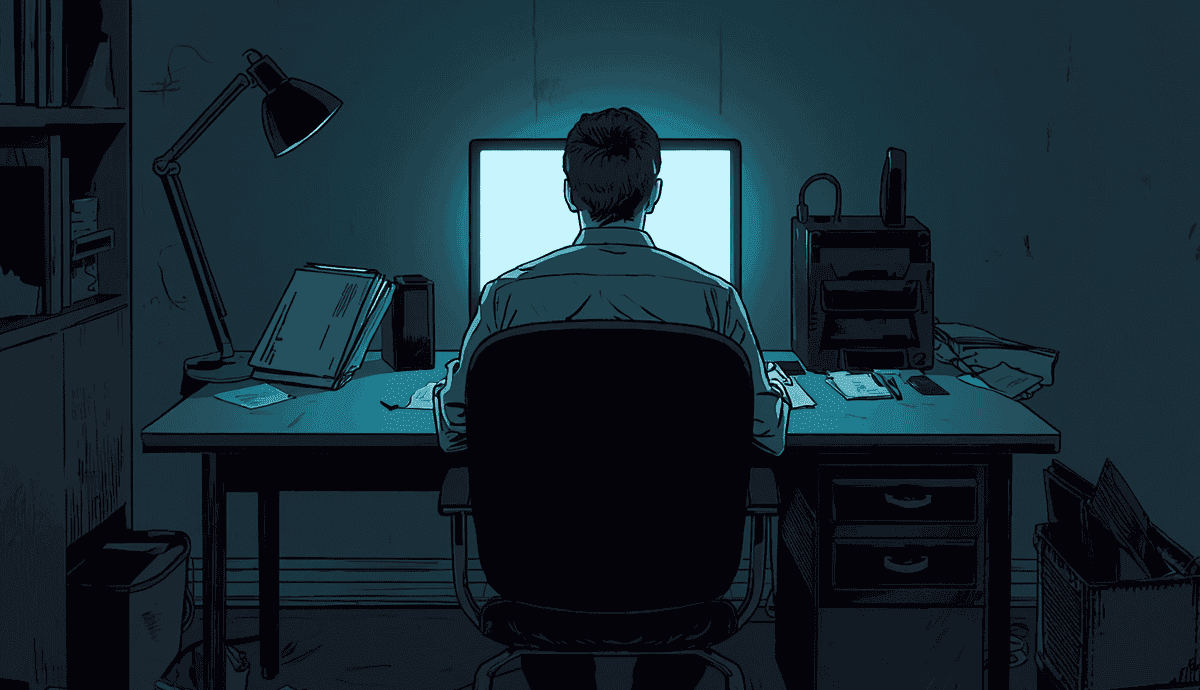
When Your Worth Is Your Work: Why Success Never Feels Like Enough
Learn how tying self-worth to work and achievement can lead to perfectionism, burnout, stress and anxiety, and discover practical ways to build healthier self-worth.

The Hidden Question Beneath Workplace Stress
Workplace stress may be about more than workload. Explore how purpose, values, meaning and fulfilment can influence stress, motivation and wellbeing.