
Beyond Resilience: Building Workplaces That Support Men's Mental Health

TL;DR
Resilience was never meant to be an endurance test. Workplaces support men's mental health when leaders change the norms that make asking for help feel like a professional risk.
At work, dependability is treated as the ultimate virtue. Being able to handle pressure, solve problems independently, and stay composed when projects derail builds trust with colleagues and leadership.
The problem begins when being dependable quietly morphs into feeling unable to say things are getting out of hand. When asking for support feels like a professional risk, or stepping back to recharge feels like falling behind.
For many men, this dynamic is especially acute. Traditional expectations of masculinity: self-reliance, emotional control, and carrying the weight of providing, frequently overlap with workplace cultures that reward round-the-clock availability and performative toughness. Over time, this cements a silent rule: whatever happens, you should be able to handle it alone.
This isn't about treating men as a monolith, but it does raise a critical question for employers: Are our workplace cultures genuinely making it safe for men to protect their mental health, or are they unintentionally making it harder?
The Trap of Unspoken Expectations
Workplace expectations become unhealthy when they leave zero room for people to acknowledge their limits. For many men, that pressure shows up in very specific, everyday behaviors:
- The need to always look completely capable: Fearing that admitting doubt or asking for help will undermine their credibility.
- Equating long hours with loyalty: Believing that being first in and last out is the only true measure of commitment, even at the cost of personal wellbeing.
- Keeping emotions strictly out of sight: Suppressing stress or personal struggles out of fear of being labeled unprofessional.
- Carrying sole responsibility: Silently absorbing financial, family, and team pressures without acknowledging the compounding toll.
When a company culture quietly rewards overextension or treats time off as a lack of dedication, men who already feel the urge to prove their self-reliance will simply double down and suffer in silence.
Why Resilience Alone Isn't the Answer
Resilience is a valuable quality, but it was never meant to be an endurance test for unworkable environments.
When organizational wellbeing initiatives focus solely on individual stress management, they quietly shift the entire burden of adaptation onto the worker. A mindfulness app or a lunchtime breathing workshop cannot fix chronic understaffing, confusing priorities, or an environment where managers send non-urgent messages at 10 PM.
For men, urging resilience without examining workload and culture only reinforces the belief that if they're struggling, they just aren't trying hard enough.
A truly supportive workplace doesn't just teach people how to survive intense pressure. It steps back and asks whether that pressure is necessary, reasonable, and sustainable in the first place.
Practical Steps for Leaders and Managers
Creating a workplace that supports men's wellbeing doesn't require separate, awkward interventions. It comes down to fixing structural norms so everyone can work sustainably:
- Model real boundaries at the top: Culture is dictated by what leaders do, not what they post on the intranet. When managers take uninterrupted leave, step away from their desks, and respect after-hours boundaries, they grant their teams permission to do the same.
- Make it safe to raise a hand: Managers should run regular check-ins and treat honest feedback with curiosity instead of skepticism. At the same time, recognize that some employees will never feel comfortable confiding in their direct boss; providing confidential, independent support channels outside the reporting line is critical.
- Fix the operational causes of burnout: If workloads are out of balance or team conflict is running high, act on it. Employee surveys only build trust if leadership actually uses the data to fix broken workflows.
- Provide clear, confidential resources: Ensure programs like Employee Assistance Programmes (EAPs), professional coaching, and therapy are easy to access and rigorously private. Managers don't need to play therapist: their job is simply to listen without judgment and point people in the right direction.
Sustainable Culture, Sustainable Success
Supporting men's mental health is not about lowering standards or removing ambition from work. It's about ensuring high performance doesn't require personal depletion.
A healthy organization isn't one where nobody ever struggles. It's one where having a tough month doesn't mean having to hide it, and where resilience means having the tools and support to navigate challenges sustainably, together.
MindFi offers comprehensive wellbeing resources, confidential coaching, and therapy to help teams build sustainable, high-performing workplaces.
Quick Reference & Key Insights
Get the most important information from this article at a glance.
- Unspoken expectations — always looking capable, equating long hours with loyalty, hiding emotions, and carrying pressure alone — leave many men no room to acknowledge their limits.
- When culture rewards overextension or treats time off as a lack of dedication, men who already feel they must be self-reliant double down and stay silent.
- Resilience programmes that only teach individual stress management shift the burden onto the worker and cannot fix understaffing, unclear priorities, or after-hours pressure.
- Leaders support men's wellbeing by modelling real boundaries, making it safe to raise a hand, fixing operational causes of burnout, and offering confidential EAP, coaching, and therapy.
- A healthy organization is not one where nobody struggles. It is one where a tough month does not have to be hidden, and high performance does not require personal depletion.
MindFi Team
MindFi Team
The MindFi team consists of mental health professionals, workplace wellness experts, and technology specialists dedicated to making mental health support accessible and effective for everyone.
Credentials
This article is educational and not a substitute for medical or mental health diagnosis or treatment. If you need personal care guidance, consult a licensed professional.
Don't miss our latest articles

How to Support Workplace Wellbeing Across Multiple Regions (Without Losing Your Mind)
How growing companies support workplace wellbeing across regions with culturally matched coaching, fair local pricing, and booking inside Slack or Teams.

The Hidden Question Beneath Workplace Stress
Workplace stress may be about more than workload. Explore how purpose, values, meaning and fulfilment can influence stress, motivation and wellbeing.
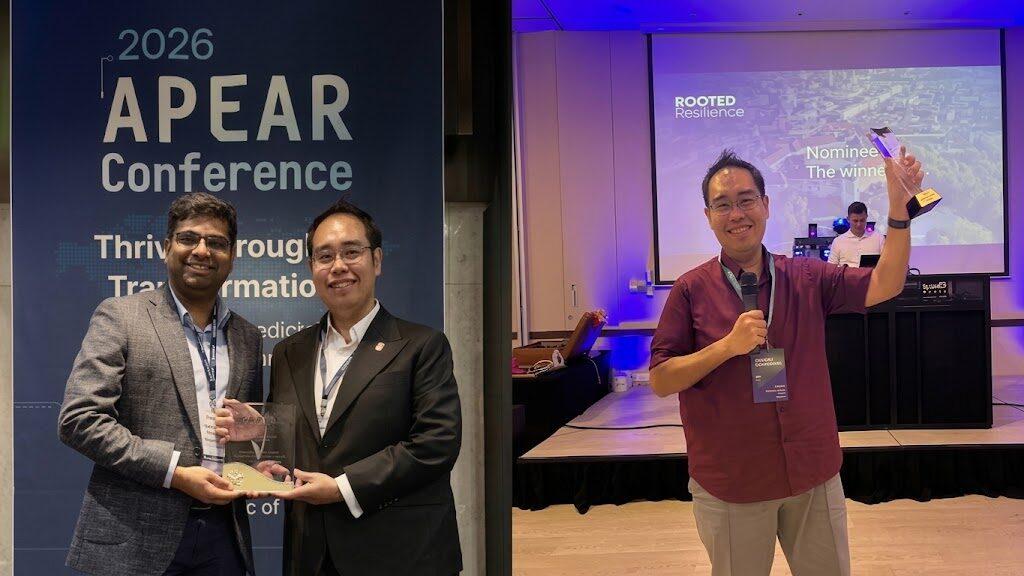
2-for-2 on the World Stage: How MindFi Won Top Employee Assistance Innovation Honors in APAC and Europe
MindFi wins top EAP Innovation honors at both APEAR 2026 and EAEF 2026. Discover the award-winning platform synchronizing global employee mental health.