Building an Effective Employee Assistance Program: A Complete Guide for HR Leaders
Learn how to design, implement, and measure the success of Employee Assistance Programs that actually improve employee mental health and business outcomes.

TL;DR
Learn how to design, implement, and measure the success of Employee Assistance Programs that actually improve employee mental health and business outcomes.
Employee Assistance Programs (EAPs) have evolved far beyond the traditional model of crisis intervention. Today's most effective EAPs are comprehensive mental health ecosystems that proactively support employee well-being while delivering measurable business outcomes.
As workplace mental health experts, we've helped dozens of organizations transform their approach to employee support. Here's what we've learned about building EAPs that truly work.
The Business Case for Modern EAPs
The ROI of effective EAPs is compelling:
- $3-7 return for every $1 invested in mental health programs
- 28% reduction in sick days among participants
- 26% increase in productivity scores
- 40% decrease in workplace accidents
- Significant improvements in employee retention and engagement
But these results only come from well-designed programs that address the real needs of today's workforce.
Core Components of an Effective EAP
1. Multi-Modal Support Options
Modern employees need choices in how they access support:
Traditional counseling: In-person sessions with licensed therapists
Digital therapy: App-based cognitive behavioral therapy and mindfulness programs
Peer support: Employee resource groups and mental health first aid training
Crisis intervention: 24/7 hotlines and emergency support protocols
Preventive resources: Stress management workshops, resilience training, and wellness seminars
2. Proactive Mental Health Education
Don't wait for crises. Build mental health literacy across your organization:
- Manager training on recognizing signs of mental health struggles
- Employee workshops on stress management and emotional regulation
- Mental health awareness campaigns that reduce stigma
- Resilience building programs that teach coping skills before they're needed
3. Seamless Integration with Existing Benefits
Your EAP should complement, not compete with, other employee benefits:
- Coordinate with health insurance mental health coverage
- Integrate with wellness programs and fitness benefits
- Align with disability and leave policies
- Connect to professional development and career support
Implementation Strategy: A Phased Approach
Phase 1: Assessment and Planning (Months 1-2)
Conduct a comprehensive needs assessment:
- Survey employees about current stress levels and support preferences
- Analyze utilization data from existing mental health benefits
- Review workers' compensation claims for stress-related issues
- Assess current workplace culture and leadership support
Define success metrics:
- Utilization rates (aim for 8-12% annual usage)
- Employee satisfaction scores
- Reduction in stress-related absences
- Improvements in engagement survey results
Phase 2: Program Design and Vendor Selection (Months 3-4)
Key criteria for EAP providers:
- Clinical quality: Licensed, experienced therapists with diverse specializations
- Accessibility: Multiple contact methods, flexible scheduling, cultural competency
- Technology integration: User-friendly apps, seamless referral systems
- Reporting capabilities: Detailed analytics while maintaining confidentiality
- Customization: Ability to tailor programs to your industry and workforce
Phase 3: Launch and Communication (Months 5-6)
Create a multi-channel communication strategy:
- Leadership messaging that normalizes mental health support
- Peer champions who share their positive experiences
- Multiple touchpoints: email, intranet, posters, team meetings
- Clear, stigma-free language that emphasizes growth and wellness
Phase 4: Ongoing Optimization (Months 7+)
Continuous improvement based on data:
- Monthly utilization reviews
- Quarterly user experience surveys
- Annual comprehensive program evaluation
- Regular updates to programming based on emerging mental health research
Measuring Success: Key Performance Indicators
Utilization Metrics
- Overall usage rate: Industry benchmark is 8-12% annually
- Session completion rates: Track engagement beyond initial contact
- Demographic analysis: Ensure equitable access across all employee groups
- Service type preferences: Understand which modalities are most effective
Business Impact Metrics
- Absenteeism reduction: Track stress-related sick days
- Presenteeism improvements: Measure productivity gains
- Retention rates: Compare turnover among EAP users vs. non-users
- Healthcare cost savings: Monitor reduction in mental health-related claims
Employee Experience Metrics
- Satisfaction scores: Survey EAP users about service quality
- Net Promoter Score: Measure likelihood to recommend the program
- Time to service: Track how quickly employees can access support
- Outcome measures: Assess improvements in stress, anxiety, and overall well-being
Common Implementation Challenges and Solutions
Challenge: Low Utilization Rates
Solutions:
- Improve communication and reduce stigma through leadership modeling
- Offer multiple access points and service modalities
- Integrate mental health support into existing wellness initiatives
- Provide confidentiality guarantees and clear privacy policies
Challenge: Manager Resistance
Solutions:
- Provide comprehensive manager training on mental health and legal obligations
- Share business case data on productivity and retention benefits
- Offer manager-specific resources for supporting struggling team members
- Create accountability through leadership performance metrics
Challenge: Cultural Barriers
Solutions:
- Partner with employee resource groups to understand cultural perspectives
- Ensure EAP providers offer culturally competent, multilingual services
- Adapt communication strategies for different cultural groups
- Address specific cultural stigmas around mental health seeking
Building a Culture of Mental Health
An EAP is most effective when it's part of a broader organizational commitment to mental health:
Leadership Commitment
- Senior executives sharing their own mental health journeys
- Mental health metrics included in leadership scorecards
- Regular communication about the importance of employee well-being
- Investment in manager training and development
Policy Integration
- Mental health considerations in all HR policies
- Flexible work arrangements that support work-life balance
- Clear protocols for supporting employees in crisis
- Anti-discrimination policies that protect mental health disclosure
Environmental Factors
- Workspace design that promotes well-being
- Reasonable workload expectations and realistic deadlines
- Open communication channels and feedback mechanisms
- Recognition programs that celebrate both performance and well-being
Special Considerations for Remote and Hybrid Workforces
Modern EAPs must address the unique challenges of distributed teams:
Enhanced digital offerings: Robust app-based therapy and support options Virtual group programming: Online support groups and workshops Manager training for remote teams: Recognizing signs of struggle in virtual environments Flexible scheduling: Support options that work across time zones Isolation prevention: Proactive outreach and connection programs
The Future of Employee Assistance Programs
Emerging trends in EAP design include:
- AI-powered risk assessment to identify employees who might benefit from proactive outreach
- Personalized intervention recommendations based on individual risk factors and preferences
- Integration with wearable technology to monitor stress indicators
- Predictive analytics to prevent mental health crises before they occur
- Continuous care models that provide ongoing support rather than episodic intervention
Getting Started: Next Steps for Your Organization
- Assess your current state: Survey employees and analyze existing mental health benefit utilization
- Build leadership buy-in: Present the business case and secure executive sponsorship
- Form a cross-functional team: Include HR, benefits, legal, and employee representatives
- Research providers: Request detailed proposals from multiple EAP vendors
- Pilot program: Consider starting with a small group to test and refine your approach
FAQ: Common Questions About EAP Implementation
How much should we budget for an effective EAP?
Most organizations invest $12-50 per employee annually, depending on service comprehensiveness. The ROI typically justifies this investment within the first year.
How do we ensure employee privacy and confidentiality?
Work with providers who offer strict confidentiality protocols, anonymous access options, and clear data protection policies. Never require employees to disclose EAP usage to managers or HR.
What if we have a small workforce?
Many EAP providers offer scalable solutions for small businesses. Consider consortium arrangements with other small employers or digital-first solutions that provide high-quality care at lower costs.
Conclusion: Building a Foundation for Employee Well-being
An effective EAP is more than a benefit—it's a strategic investment in your organization's most valuable asset: your people. By taking a comprehensive, data-driven approach to program design and implementation, you can create a support system that truly transforms your workplace culture and business outcomes.
The key is to start with a clear understanding of your employees' needs, secure leadership commitment, and choose partners who share your vision of proactive, comprehensive mental health support.
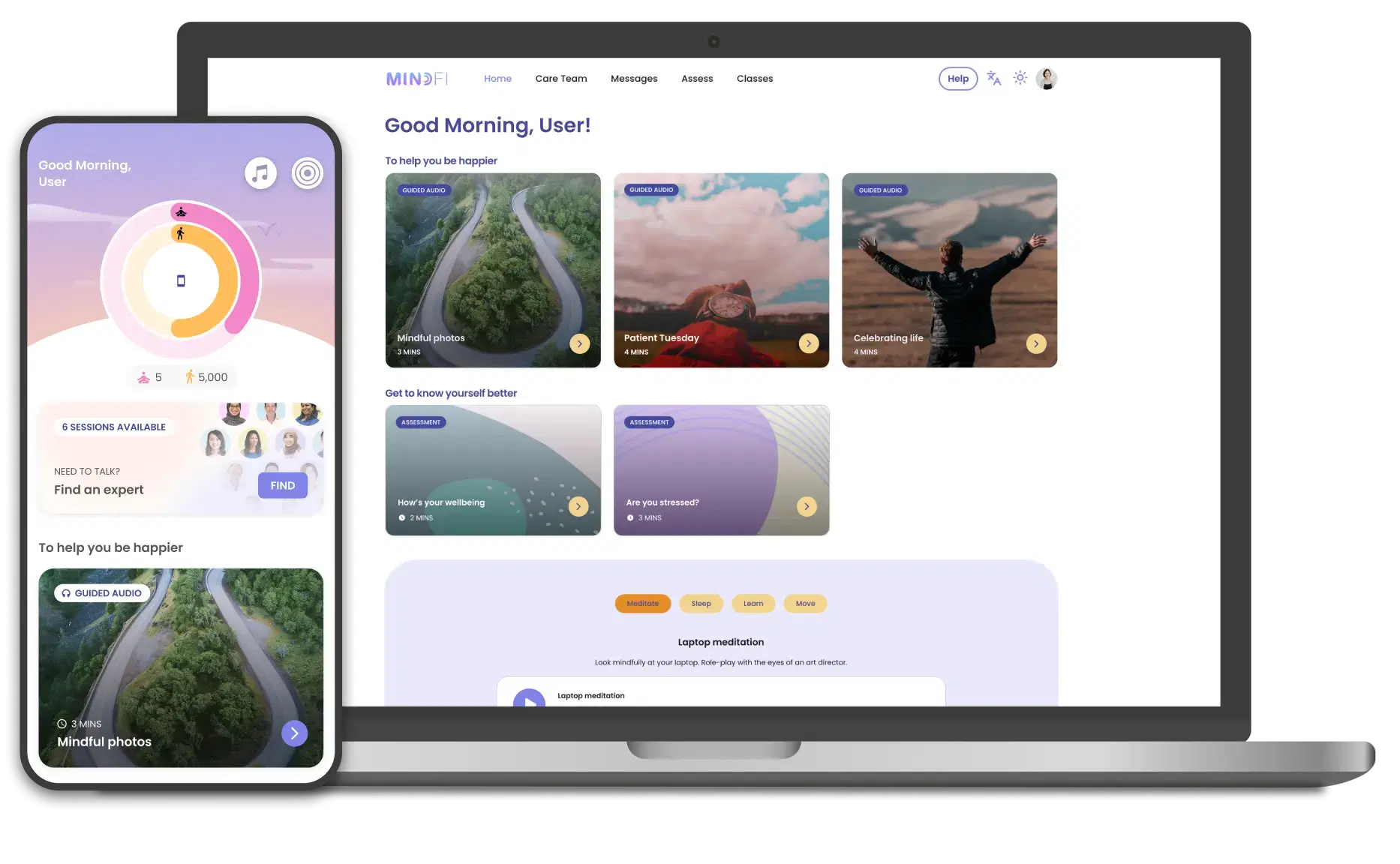
MindFi specializes in helping organizations design and implement effective Employee Assistance Programs that deliver real results. Our platform combines licensed therapist expertise with cutting-edge technology to provide scalable, measurable mental health support. Contact us to learn how we can help transform your workplace wellness strategy.
This article is educational and not a substitute for medical or mental health diagnosis or treatment. If you need personal care guidance, consult a licensed professional.
Planning an EAP with low upfront cost?
Explore launch playbooks, case studies, and the implementation checklist for SMEs.

The MindFi team consists of mental health professionals, workplace wellness experts, and technology specialists dedicated to making mental health support accessible and effective for everyone.
Credentials
Related Articles

Early-Year Reflections: Do Rest and Work Complement Each Other or Oppose Each Other?
The beginning of the year is often expected to feel energising and motivating. Yet for many people, the new year arrives with a very different emotional mix:...

Breaking the Silence: A Holistic Approach to Men's Sexual Health and Wellbeing
Have you ever found yourself avoiding a conversation about your body, your confidence, or your performance in the bedroom, hoping the issue would just resolve...

Love Is Not Only Felt, It Is Also Chosen
Love is often described as something spontaneous, an emotion that appears strongly, sustains itself effortlessly, and fades when it no longer “feels right.