
TL;DR
Binge watch mindfully. Enjoy your watch time but at the same time learn when to ‘pause’ and live your life.
Easy ways to stop being a couch potato
A question I routinely asked my students these days during their counselling sessions is, "How do you spend your time after college?" and a common response is, "I return from college / attend online lectures, have my lunch / dinner and then watch a web series or either scroll through Instagram or Facebook." This usually leaves people with only about 5 hours of sleep because they can't seem to stop at one episode, or viewing one post or story.
And that's what you call, 'Binge Watching'. Binge Watching is usually characterized by viewing suspenseful, dramatic, narrative content- often for more than three or four hours at a stretch.
Why is Binge Watching addictive?
The TV or our phones stimulates our visual, aural and spatial senses and engages our entire right-brain. The various complex characters, story plots and dialogues, require us to pay close, careful attention to the continual action onscreen. Our brain is hard-wired to monitor changes in our environment - this is a survival mechanism - and hence we remain glued to the screen.
Another major reason for Binge Watching is the addictive quality it has. Our brains need a regular and healthy supply of certain happiness producing chemicals (called neurotransmitters), one of which is dopamine - a neurotransmitter that regulates mood, emotions, sleep and cognitive functions. Our stressful lives cause a reduction in the levels of dopamine in the brain. When we binge watch a show there is a natural, internal reward
that reinforces continued engagement in that activity. The brain sends signals to the body to continue this rewarding experience and soon the person develops a craving for dopamine.
In 2018, a study by Rubenking and colleagues found that there are four main motivations for binge watching:
- Anticipation of what is coming next - facilitated by both, content and technology features,
- Management of moods and excitement / arousal
- Procrastination and escapism
- Social goals - related to co-viewing, discussing content with others and identification with characters.
What feelings can you be left with after Binge Watching?
When you spend a large amount of time immersed in the characters lives, you bond with them like you would with someone in your life and its natural to experience feelings of loss once the show ends. Some people experience withdrawal-like symptoms when a show is over, much like a hangover after a night of drinking.
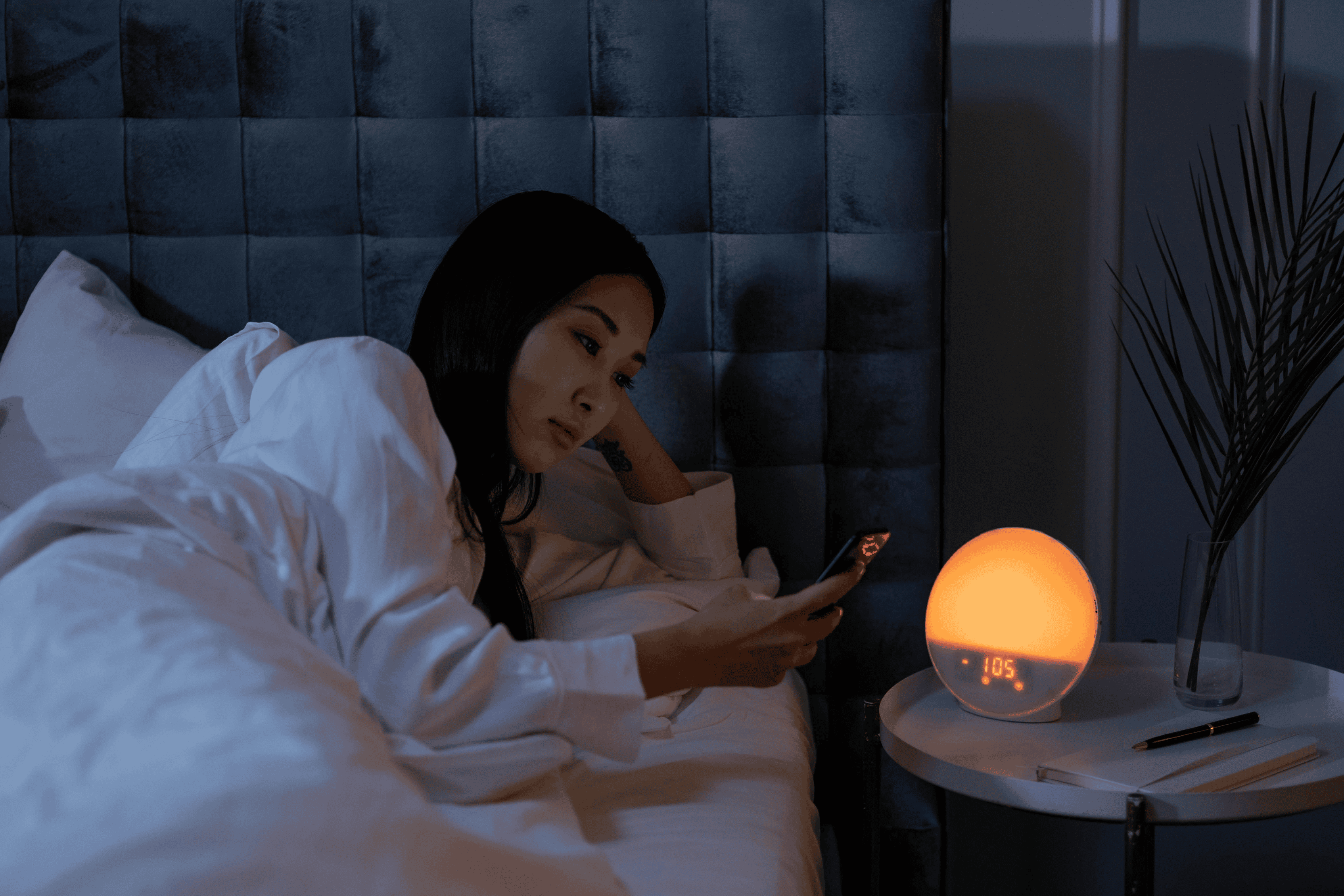
Another fallout is trouble sleeping. A recent study found that people, who tried to forget about their anxiety by watching television, had a 4% increased risk of developing insomnia. This is similar to any addictive behaviour if you use something (alcohol, drugs, TV) to help you block out problems, which in turn makes you end up feeling worse later.
Lying supine watching TV shows for several hours at once can play havoc with the metabolism too, making you feel sluggish and while the body gets sluggish, the brain may go into overdrive because TV shows with complicated narratives and emotionally complex characters are both cognitively and emotionally taxing.
Here are some ways to monitor yourself:
- Install gatekeepers
There are many extensions that limit the number of minutes spent on certain sites a day. - Pace yourself and build anticipation
According to research, it shows that the faster you consume TV shows, the less joy you actually get out of them. You get bored with the show and miss out on the subtle nuances that make it so great. So, it's better to pace yourself with TV shows, give yourself a chance to think about what you've watched, build those theories and anticipate. - Understand that it plays havoc with your world view
Research shows that the longer you stay in the world of a TV show, the more it influences the way you see the real world. People report feeling fearful, anxious and bleak after watching thrillers. - Have a mid-way
An hour long show will usually have a cliff-hanger at the end of every episode, which makes viewers want to quickly proceed to the next one to see what happens. One way to resist the urge to do so is to just watch the first 20 minutes of the next episode. This will resolve the previous episode's cliff-hanger, and you won't be left feeling frustrated.
Lastly, always remember that the main problem with Binge Watching is that you lose three days of your life. So be vigilant; enjoy your watch time but at the same time learn when to ‘pause’ and live your life.
------
Written by Trisha Almeida (Clinical Psychologist)
If you’d like to connect with Trisha to help you manage your binge watching habit, check out her profile to book a session with her.


Trisha Almeida
Clinical Psychologist
If this resonated, Trisha can help you go deeper. Book a session.
Trisha Almeida is a clinical psychologist who supports clients in building healthier habits and a balanced relationship with everyday life, from managing stress to mindful screen time.
Specializations
This article is educational and not a substitute for medical or mental health diagnosis or treatment. If you need personal care guidance, consult a licensed professional.
Don't miss our latest articles

Investing in Survival: Your Guide to True Psychological Self-Care
True self-care goes beyond luxury spas and shopping. Learn how simple, daily habits can protect your mental health and prevent burnout.

Your Mind isn’t Stressing You Out Randomly. It’s Trying to Protect You… The Wrong Way
Your mind isn't your enemy, but it isn't always a reliable guide either. Learn how CBT helps you navigate stress and stop treating every anxious thought as the truth.

Midlife Reimagined
Midlife isn't a crisis, it’s consciousness. Discover why we need a new narrative for midlife transitions, both in our personal lives and the workplace.