
“We are all so much together, but we are all dying of loneliness.” – Dr Albert Schweitzer
The fear of loneliness, and of being alone, is something most of us will feel at some time or other, though we may not admit it. Many of us, for instance, would rather pack a takeaway for lunch or rent a video, than eat out or go for a movie alone!
And it’s precisely this fear that traps many of us into permanent relationships whether they’re suitable or not, simply because we are so afraid of the idea of being lonely, and of not “having someone to wonder where you are when you don’t come home at night.” Many who are single, divorced, or widowed, rush into undesirable or even detrimental relationships, just to have someone “to care about them.”
Then some realise, often too late, that feeling lonely and being alone are two entirely different issues. One can feel lonely, perhaps even lonelier, with the wrong person’s company than in quiet solitude. A single friend of mine once remarked, “I’d feel lonelier waking up next to someone I don’t love anymore, than alone.”
Lonely people are afraid of their own company, because of the negative thoughts that will inevitably arise. These depressing thoughts tend to come up when we’re alone, because we have not given ourselves a genuine chance to get rid of them. Usually, we try to drown these thoughts or stop them from ever surfacing with drink, noise, sex and constant companionship.
I believe the ability to enjoy being alone is a sign that you’ve grown up both in maturity, and self-awareness. Susan Jeffers said in her book Dare to Connect that we should never be afraid of loneliness because it can lead us to greater exploration of who we truly are and what we have to offer to the world. When we are able to face loneliness and understand that there is nothing whatsoever to fear from it, we can welcome being alone and only then, can we truly enjoy solitude.
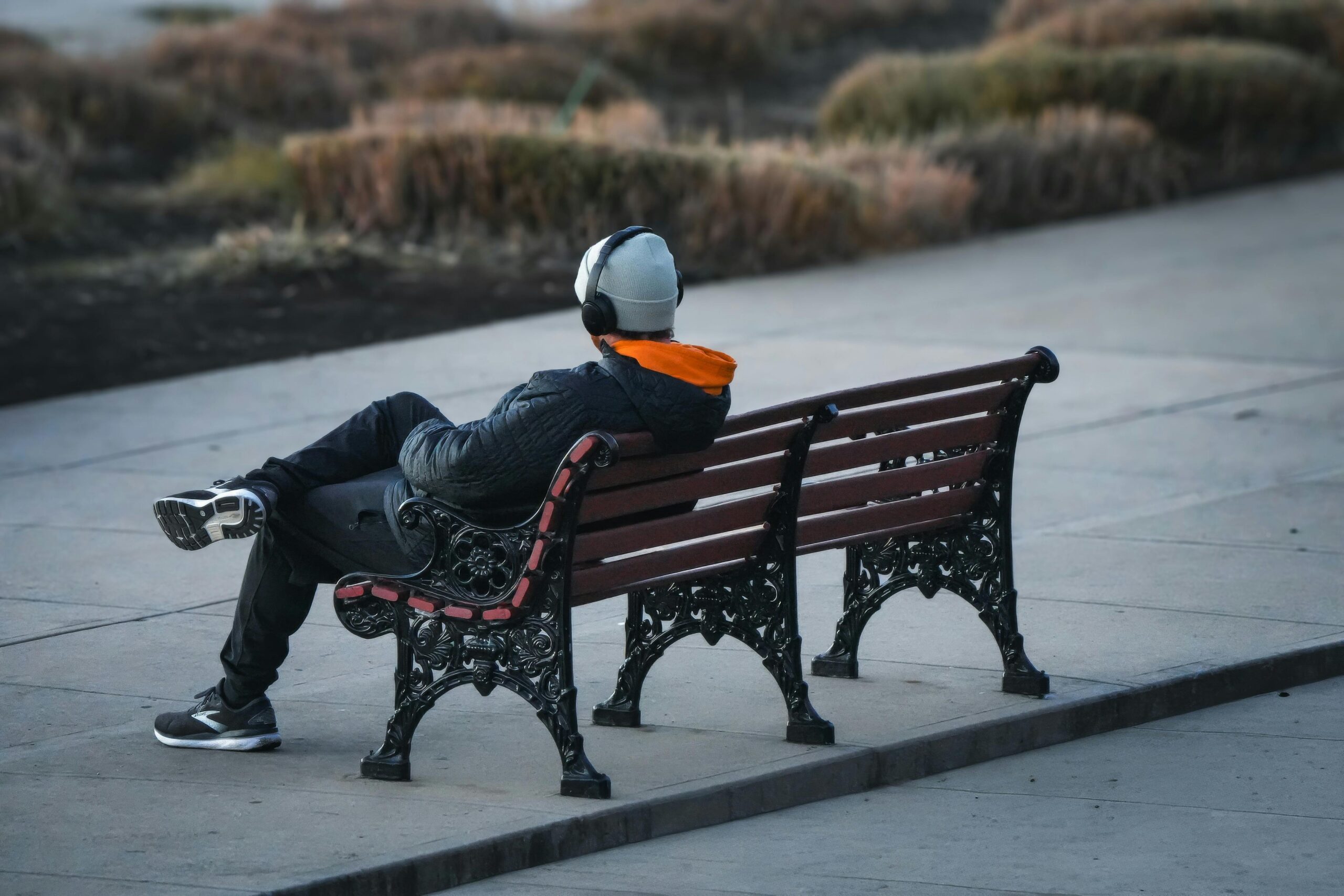
However, it’s important to realise the difference between blissful solitude and the kind of aloneness which is painful and depressing. The first can only happen when you are never afraid of anybody leaving you, when you feel strong enough to cope on your own if necessary, and when you feel autonomous, independent and complete in yourself.
Ultimately, the only person you can rely on is yourself. We should welcome periods of solitude, with the comforting knowledge that if they threaten to get oppressive, we can always do something about it – call a friend, and suggest meetings, outings, activities. Once we have conquered the devils inside us, we will have the confidence to be able to do that.
However much we may want to cling on to a relationship, the fact remains that nobody else can think our thoughts for us, feel our emotions for us, take away our pain. It is only in solitude that we can be in touch with ourselves, discover our true talents and potentials, our wants and needs, and only then can real development of the self occur. As a colleague pointed out to me, all the greatest poets, artists, writers, philosophers achieved their greatest work in solitude.
But of course, I’m not suggesting that we should spend the rest of our lives in solitary confinement! Most of us do want to have someone who will be with us through thick and thin. But for a lasting and healthy relationship, there should not be over-reliance on either side, one should not feel that everything would immediately fall apart if the other left.
For those who are married or in long-term relationships: Difficult as it is, especially for those with children as well, it’s crucial that you make time to be alone sometimes. Do not allow your private space, including the important space inside your own head, to be taken up with the incessant demands of other people.
For the singles: Value and enjoy your time alone. The more time we are able to spend on our own, the more we learn to come to terms with solitude, and how not to drain our energies trying to cope with and please other people. Give yourself the chance to discover how marvellous it can be to have periods of uninterrupted silence, to go to bed alone with a good book, and simply sleep the untroubled sleep of a newborn baby.
I know I have gained many strengths during the times I’ve been alone, strengths that would not have been possible had I been in an intimate relationship. I’ve made many friends, got to know and like myself better. I’ve also had time to heal past wounds and learn to forgive myself for past mistakes, as well as inject a sense of purpose into my life. And best of all, though I’d rather not be alone, I know I won’t be afraid if I have to be.
And remember, as American advice columnist Ann Landers notes, “Warmth, kindness, and friendship are the most yearned for commodities in the world. The person who can provide them will never be lonely.”
—————————————–
Written by Jessica See.
Jessica See is a certified health coach, certified Lifestyle Medicine professional, and certified professional trainer. She is the editor of the magazine Mind Matters, and has written several books – Reset, Reshape, Revitalise and Habits of Health.
Need help navigating loneliness? Book a session with Jessica today.